Boatman Design Group
Licensed septic system designer and OSSF site evaluator providing septic system design and soil evaluations for residential and commercial properties throughout Nacogdoches, Angelina, Cherokee, Houston, Trinity, and surrounding East Texas counties.
Common Septic Design Challenges in East Texas
Clay Soil Septic Design
Much of East Texas contains clay and clay-loam soils with slow permeability. These soils often limit the ability of wastewater to move and disperse naturally, which can lead to premature system failure when systems are not properly designed for site conditions. Septic design in clay soils requires careful evaluation of soil structure, restrictive horizons, and available treatment area to ensure long-term performance. In many cases, system selection and layout must be adjusted to account for limited absorption rates and seasonal moisture changes.
High Water Table Conditions
Seasonal groundwater and perched water tables are common across many East Texas properties. When groundwater is shallow, conventional disposal methods may not provide adequate separation between the disposal area and groundwater. Proper septic design requires identifying seasonal saturation levels and selecting system types that maintain regulatory separation distances while protecting groundwater quality. Elevated systems, aerobic treatment units, or alternative disposal methods are often necessary in these conditions.
Aerobic System Design
Aerobic treatment systems are frequently used in East Texas where soil or groundwater conditions limit conventional systems. Proper aerobic system design involves more than equipment selection. Treatment capacity, spray area sizing, hydraulic loading, and site layout must all be matched to the property’s soil and drainage characteristics. A well-designed aerobic system provides effective treatment and reliable long-term operation when properly sized and installed for site conditions.
Commercial OSSF Design
Commercial and higher-flow on-site sewage facilities require additional design considerations beyond residential systems. Restaurants, RV parks, offices, and multi-use properties often produce variable wastewater flows and higher organic loading. Commercial OSSF design must account for peak usage, treatment capacity, dosing requirements, and long-term maintenance access while remaining compliant with Texas regulatory requirements. Proper upfront design reduces operational problems and helps avoid costly modifications later.
Why Use a Septic Designer?
Designing an on-site sewage facility involves more than selecting equipment or placing a drainfield. Soil conditions, groundwater depth, site layout, and long-term hydraulic loading all affect how a system performs over time. A properly designed septic system is based on site-specific evaluation rather than a one-size-fits-all approach. Using a qualified septic designer helps ensure the system selected for a property is appropriate for the soil, meets regulatory requirements, and functions reliably for years after installation.
Site Conditions Determine System Performance
Every property in East Texas is different. Soil texture, restrictive layers, slope, drainage patterns, and seasonal groundwater levels all influence which type of septic system can function properly. A septic designer evaluates these factors before design begins, reducing the risk of installing a system that is undersized or unsuitable for site conditions. Proper evaluation helps prevent surfacing effluent, premature failure, and costly redesigns.
Proper Design Reduces Long-Term Problems
Many septic system issues are the result of poor layout or incorrect system selection rather than equipment failure. Drainfield placement, hydraulic loading rates, and treatment capacity must be matched to the property and expected usage. A septic designer focuses on long-term performance, helping homeowners and builders avoid common problems such as overloaded drainfields, inadequate treatment areas, or systems that require frequent repair.
Separation Between Design and Installation
Septic designers focus on evaluation and system design rather than installation. This separation allows the system to be designed based on site suitability and regulatory requirements rather than installation convenience. An independent design approach helps ensure the system selected is appropriate for the property and compliant with applicable Texas regulations.
Compliance With Texas OSSF Requirements
On-site sewage facilities in Texas must comply with state and local regulations, including requirements under 30 TAC Chapter 285 and local authorized agent rules. A septic designer prepares designs that meet these requirements, helping streamline permitting and reducing delays during approval and construction. Proper documentation and design planning also make future repairs or modifications easier if needed.
Planning Before Construction Saves Time and Cost
Engaging a septic designer early in the planning process allows system placement to be coordinated with home location, driveways, utilities, and future site improvements. Early planning helps avoid conflicts that can limit system options later and may reduce construction costs by identifying the most suitable system type before building begins.
Buying Land in East Texas? Check Septic Feasibility First
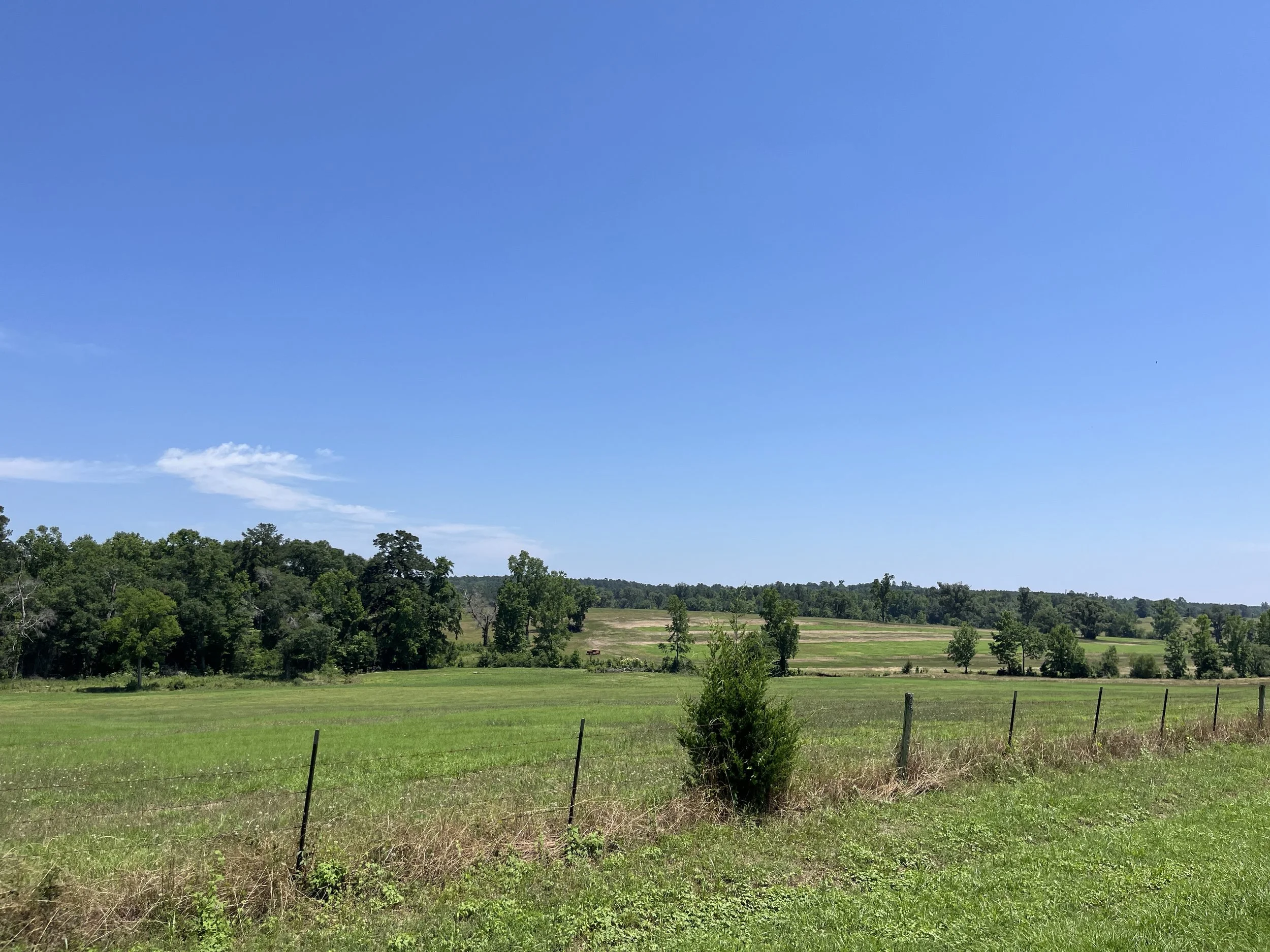
Many rural properties in East Texas cannot support every type of septic system due to soil conditions, shallow groundwater, or limited usable area. Evaluating septic feasibility before purchasing land helps prevent unexpected construction costs, design limitations, or the need for alternative systems after closing. A site evaluation can identify soil and drainage conditions early so buyers understand what system types are likely to be required.
Site Limitations Can Include:
• Clay soils that limit conventional septic systems
•Seasonal high water tables
•Limited area for drainfield placement
•Required setbacks from wells, property lines, and structures
•Higher costs associated with aerobic or alternative systems
Site evaluations are commonly performed during the due diligence period for rural property purchases. Contact Boatman Design Group to determine septic feasibility before construction planning begins.